

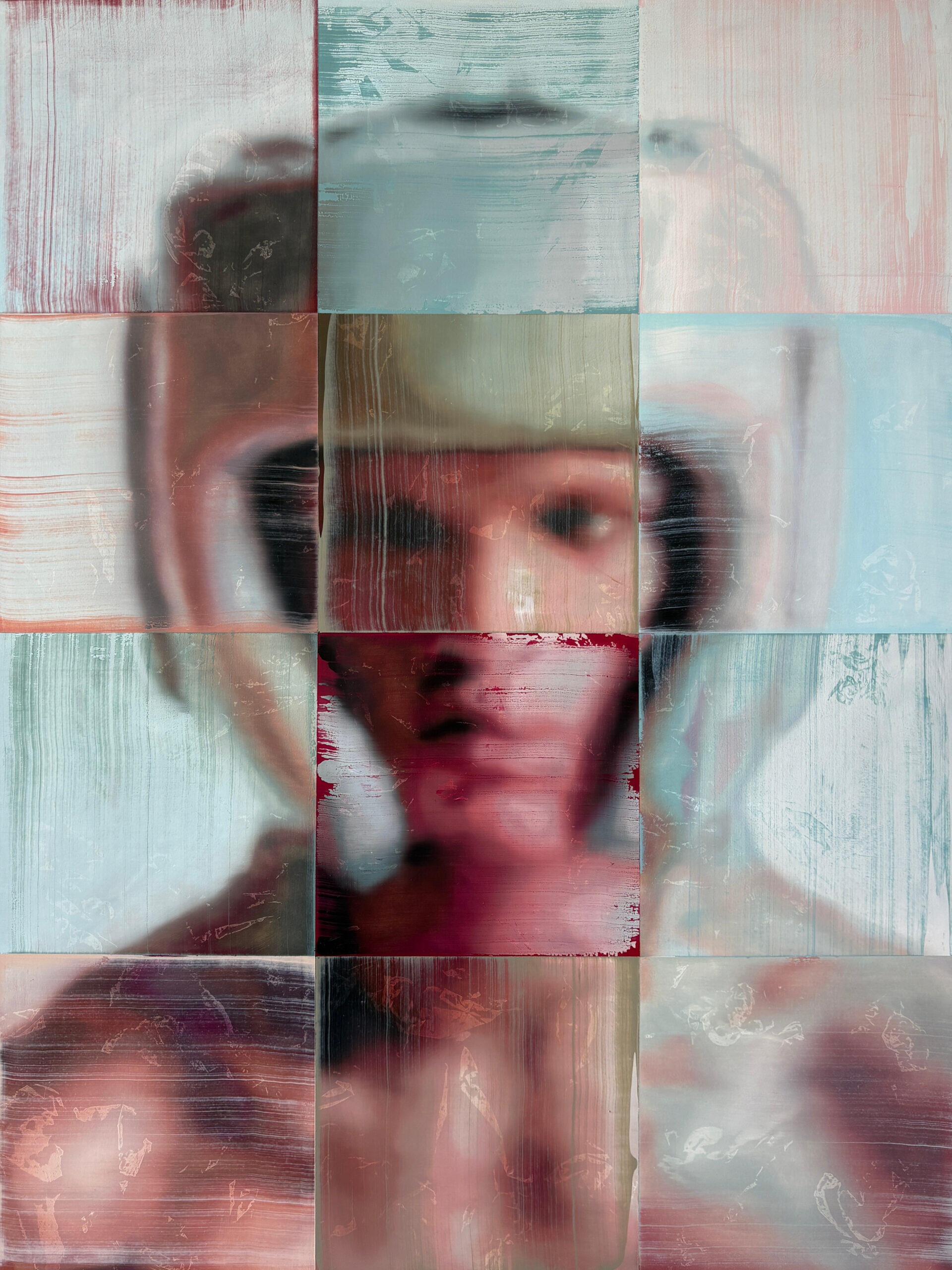
10 Sep Rethinking Masculinity – Queer Identity, Vulnerability and the Male Body
What does it mean to be a man?
And what happens when you grow up queer while trying to answer that question?
Masculinity is something many of us learn long before we consciously think about it. Strength is rewarded. Vulnerability is controlled. Certain emotions are acceptable, others are better kept private. We learn how a man is supposed to move through the world, how he should look, what he should desire and, perhaps most importantly, what he should never reveal.
For queer men, the relationship with these expectations can become particularly complicated.
To be queer can already mean stepping outside one of society’s most fundamental expectations of masculinity. And yet queer male culture has not escaped traditional masculine ideals. In some spaces, it has intensified them.
A strong athletic body. Youth. Confidence. Sexual availability. Physical perfection. Masculinity that is immediately visible and easily recognised.
There is nothing inherently wrong with any of these things. Queer men fought for the right to openly desire male bodies and to have those desires represented. Images that once had to remain hidden could finally become visible.
But I am increasingly interested in what those images leave out.
What happens when the male body is not strong?
What happens when masculinity becomes uncertain?
And what happens when a man no longer wants to perform invulnerability?
The Male Body in Queer Art
The male body occupies a particular position within queer visual culture.
For much of Western art history, the male body could be idealised, heroic and powerful. But male-male desire was something different. Looking at another man with desire—or representing that desire openly—could carry enormous social and legal consequences.
For queer artists, reclaiming the male body therefore had political significance.
To depict men as objects of male desire was to challenge assumptions about who was allowed to look and who was allowed to desire. The erotic male body became a site of visibility, liberation and resistance.
That history matters.
Liberation does not automatically free us from the ideals we grew up with.
I don’t think the answer to restrictive representations of masculinity is to reject eroticism, physical beauty or strength. There is something uncomfortable about telling a community whose desire was historically suppressed that it has now become too sexual. But liberation does not automatically free us from the ideals we grew up with.
Sometimes we reproduce them.
The masculine body can become another standard against which men measure themselves: muscular enough, young enough, confident enough, desirable enough, masculine enough.
And this is where I think queer masculinity becomes particularly interesting.
Queer men can simultaneously challenge traditional masculinity and remain deeply influenced by it.
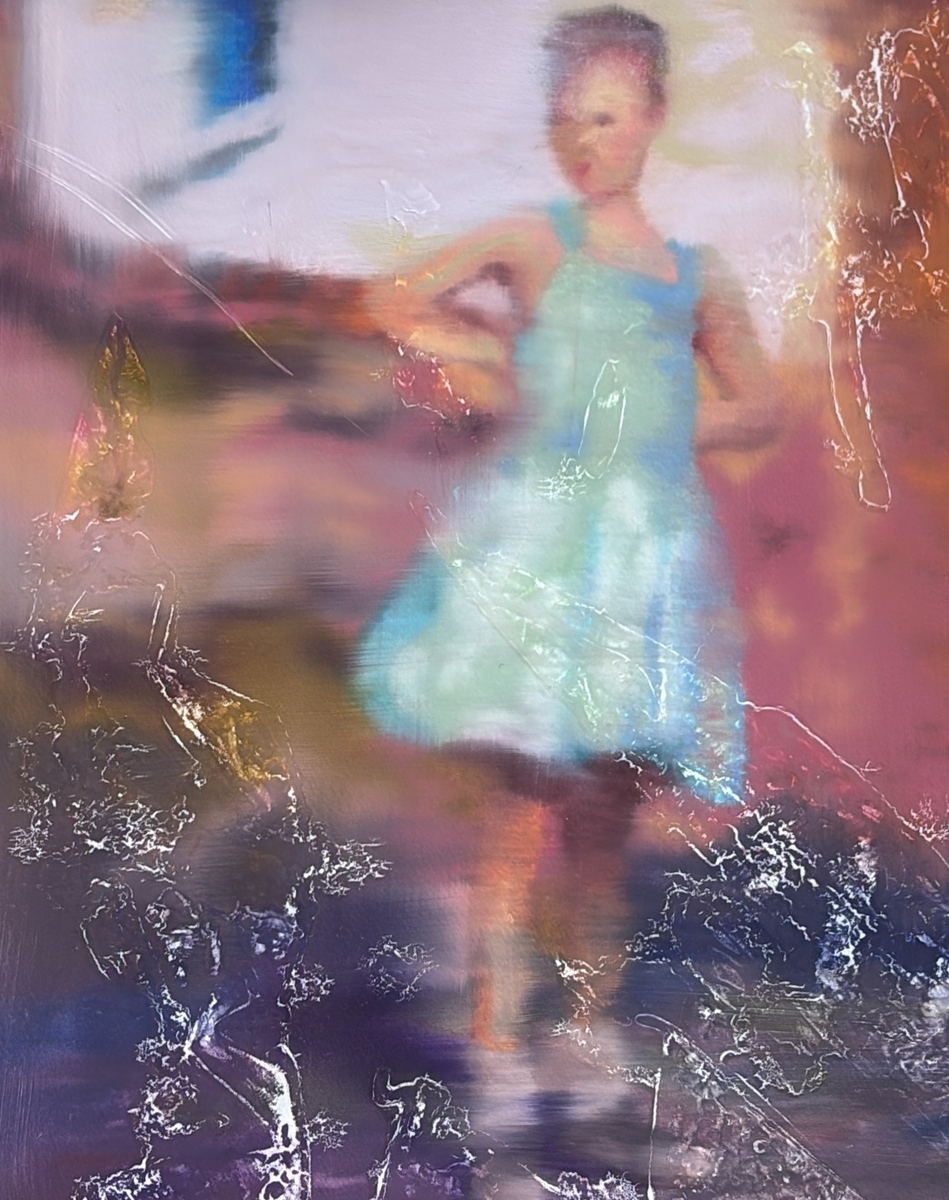
The Boy in the blue dress, 2025
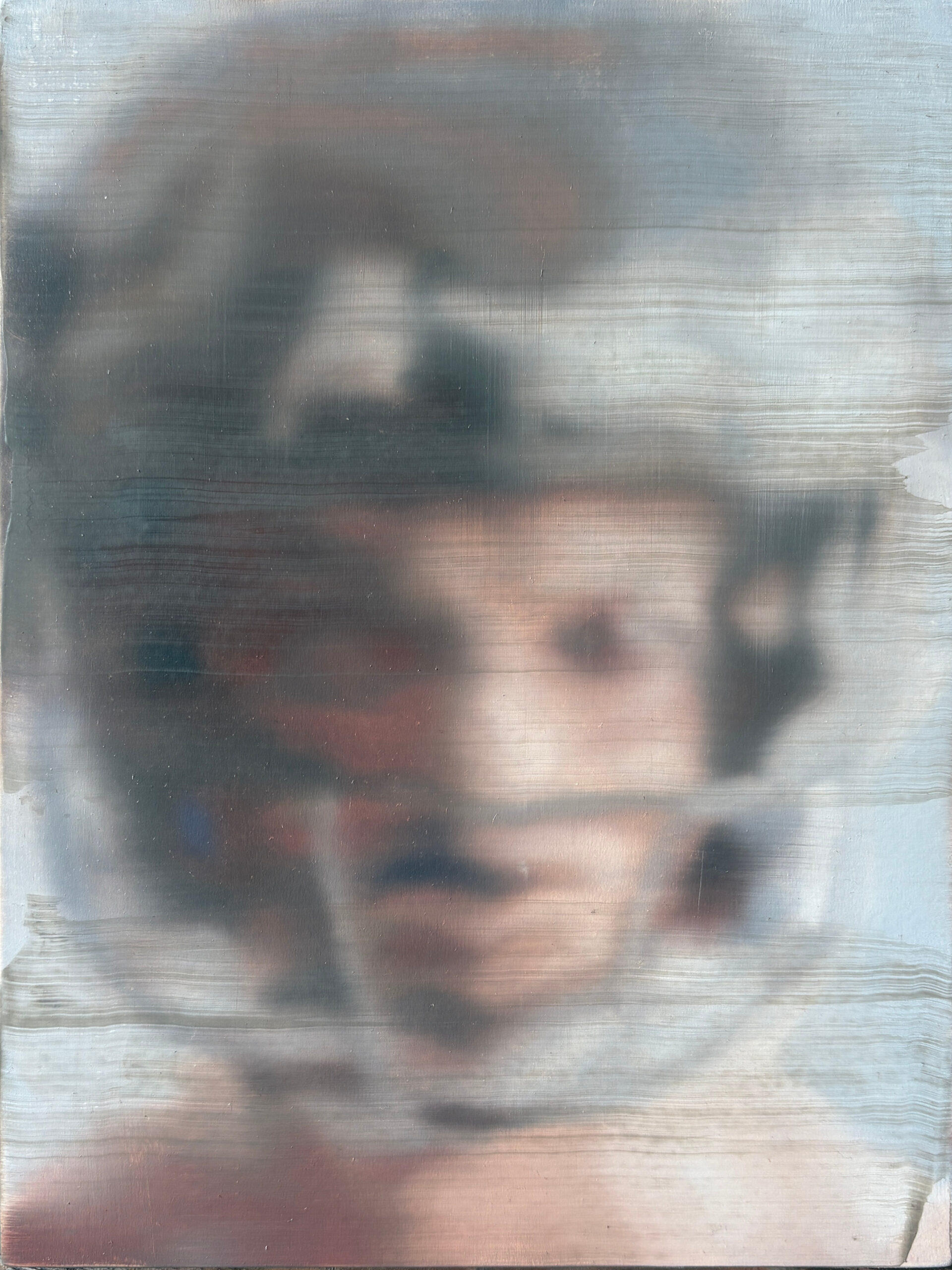
Untitled, 2026
When Masculinity Becomes Armour
Masculinity is not only something we express. Sometimes it is something we use to protect ourselves.
For someone who has learned that being perceived as different can make them vulnerable, appearing strong can become a form of safety.
You control your gestures.
You control your voice.
You learn what not to reveal.
Perhaps you build your body, you become louder, harder or more confident.
Perhaps you become very good at appearing unaffected.
None of these behaviours are exclusively queer. Masculinity asks many heterosexual men to suppress vulnerability as well. But queerness can add another layer: the early awareness that the way you naturally behave, desire or relate to others may expose you as different.
Protection can therefore become habitual long after the immediate threat has disappeared. That interests me because armour is useful precisely because it separates the vulnerable body from the outside world.
But armour also creates distance. What protects us from being hurt can eventually prevent us from being seen.
What protects us from being hurt can eventually prevent us from being seen.
Vulnerability Is Not the Opposite of Masculinity
We often talk about vulnerable men as though vulnerability were something masculinity needs to learn to tolerate.
I find that framing strange.
Vulnerability is not an alternative to masculinity. It is part of being human.
Fear, tenderness, uncertainty, grief, dependency, loneliness and the need for intimacy do not make someone less masculine. Yet culturally, men are still often encouraged to translate these emotions into something more acceptable: confidence, silence, humour, anger, control.
Queer experience can complicate this further.
On the one hand, stepping outside heterosexual norms can create space to question traditional gender roles. Queer communities can offer forms of intimacy, friendship and self-expression that do not follow conventional expectations. On the other hand, queer men do not grow up outside society.
We absorb the same messages about masculinity as everyone else. Sometimes we may even feel a stronger need to prove that being gay does not make us less masculine.
That contradiction fascinates me.
A person can reject the rules of masculinity intellectually while still carrying them emotionally. You can know that you do not need to appear strong and still feel uncomfortable when someone sees you weak. You can understand that masculinity is constructed and still feel its expectations inside your body.
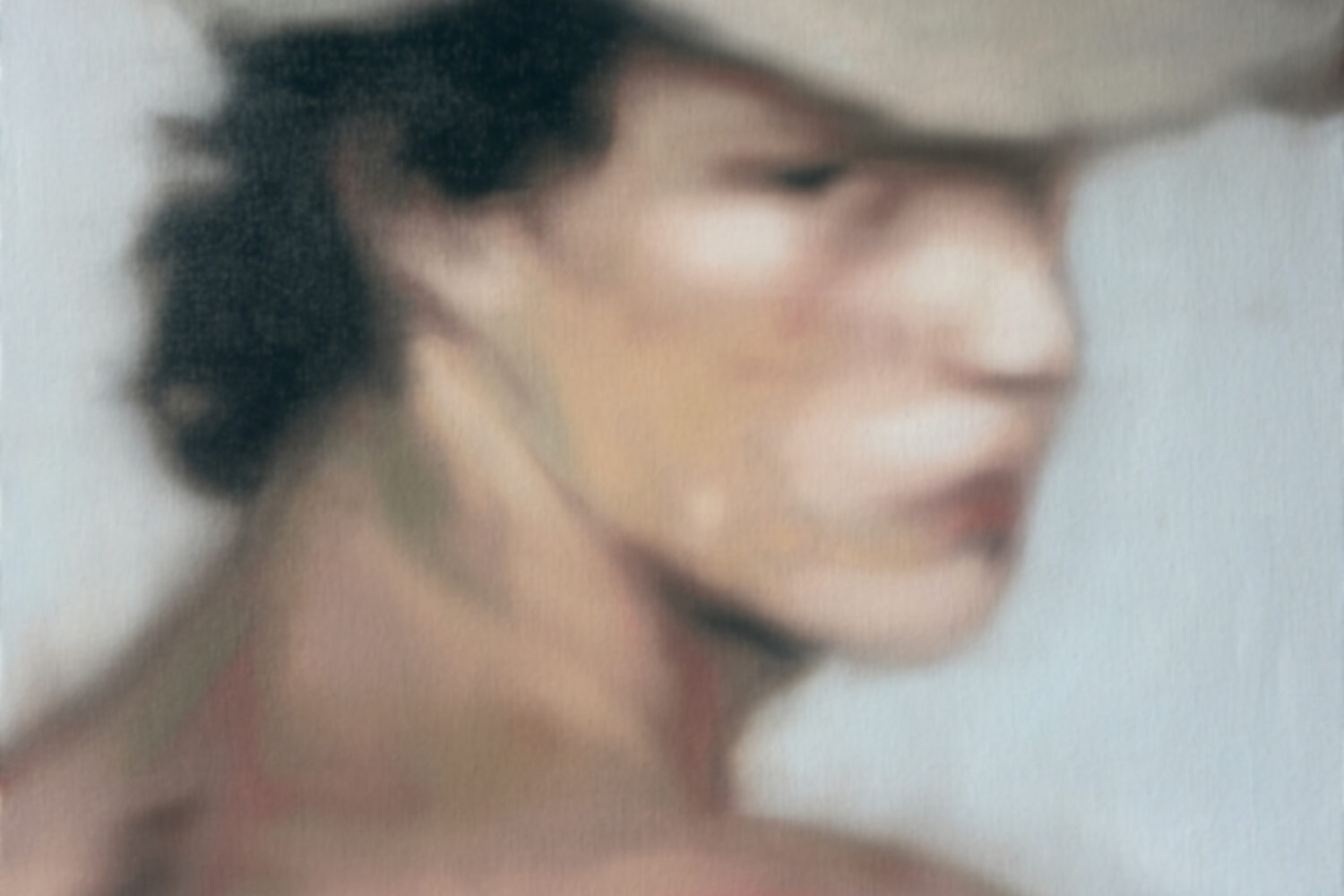
Who Gets to Be Desirable?
There is another side to this conversation that I don’t think should be separated from vulnerability: desirability.
Visibility can create its own hierarchies. When the same kinds of bodies repeatedly are shown as desirable, the celebration of queer desire can begin to reproduce narrow standards of beauty: youth, muscularity, conventional masculinity, physical ability and particular ways of presenting oneself.
This does not mean those bodies should disappear from queer art. The problem is not that beautiful muscular men are represented. The problem begins when they appear to become the visual shorthand for gay male experience itself.
Where are the uncertain bodies?
The ageing bodies?
The bodies that do not perform strength?
Where are tenderness, awkwardness, fear, dependence and emotional intimacy?
Where is the man who does not know what to do with his hands?
Where is the man who wants to be held rather than admired?
A broader representation of queer masculinity should not replace one ideal with another. It should make room for contradiction. Strength and fragility can occupy the same body.
So can desire and insecurity.
Masculinity and tenderness.
Confidence and fear.
Queer Masculinity in Contemporary Art
This is where I believe contemporary art can do something that more commercial forms of visual culture often struggle to do. Art does not have to give us an ideal. It can give us ambiguity.
A portrait does not have to tell us whether the person depicted is strong or vulnerable. It can hold both possibilities at once. A body can be desirable while also appearing fragile. Intimacy can contain discomfort. Masculinity can be performed while simultaneously being questioned.
For me, this ambiguity is far more interesting than simply reversing the traditional image of masculinity. I am not interested in replacing the strong man with the fragile man and declaring one more authentic than the other. Strength can be real. So can protection.
Sometimes we genuinely need armour.
The more difficult question is what happens when a protective mechanism becomes part of our identity. At what point does something that once kept us safe begin to restrict us? And are we able to recognise when we no longer need it?
Painting Protection
These questions have increasingly entered my own work. In my recent paintings, I have become interested in protective headgear: objects designed to shield the most vulnerable parts of the body.
At first, the symbolism seems straightforward.
Protection.
Defence.
Safety.
But I am less interested in the object itself than in the contradiction it creates. A protective object acknowledges vulnerability at the same time as it tries to conceal it. You put on armour because something underneath can be hurt. That tension connects closely to how I have come to think about masculinity. The performance of strength does not necessarily mean an absence of vulnerability. Sometimes it reveals exactly the opposite. The harder the protection, the more interesting the question becomes:
What is being protected?
And eventually: Is the protection still necessary?
I don’t want these paintings to offer a simple answer. Taking off our protection is not always brave, just as keeping it on is not always fear. There are situations in which self-protection is necessary. There are also moments when the mechanisms we developed to survive one period of our lives continue operating long after the circumstances have changed.
The question I am interested in is whether we can tell the difference.
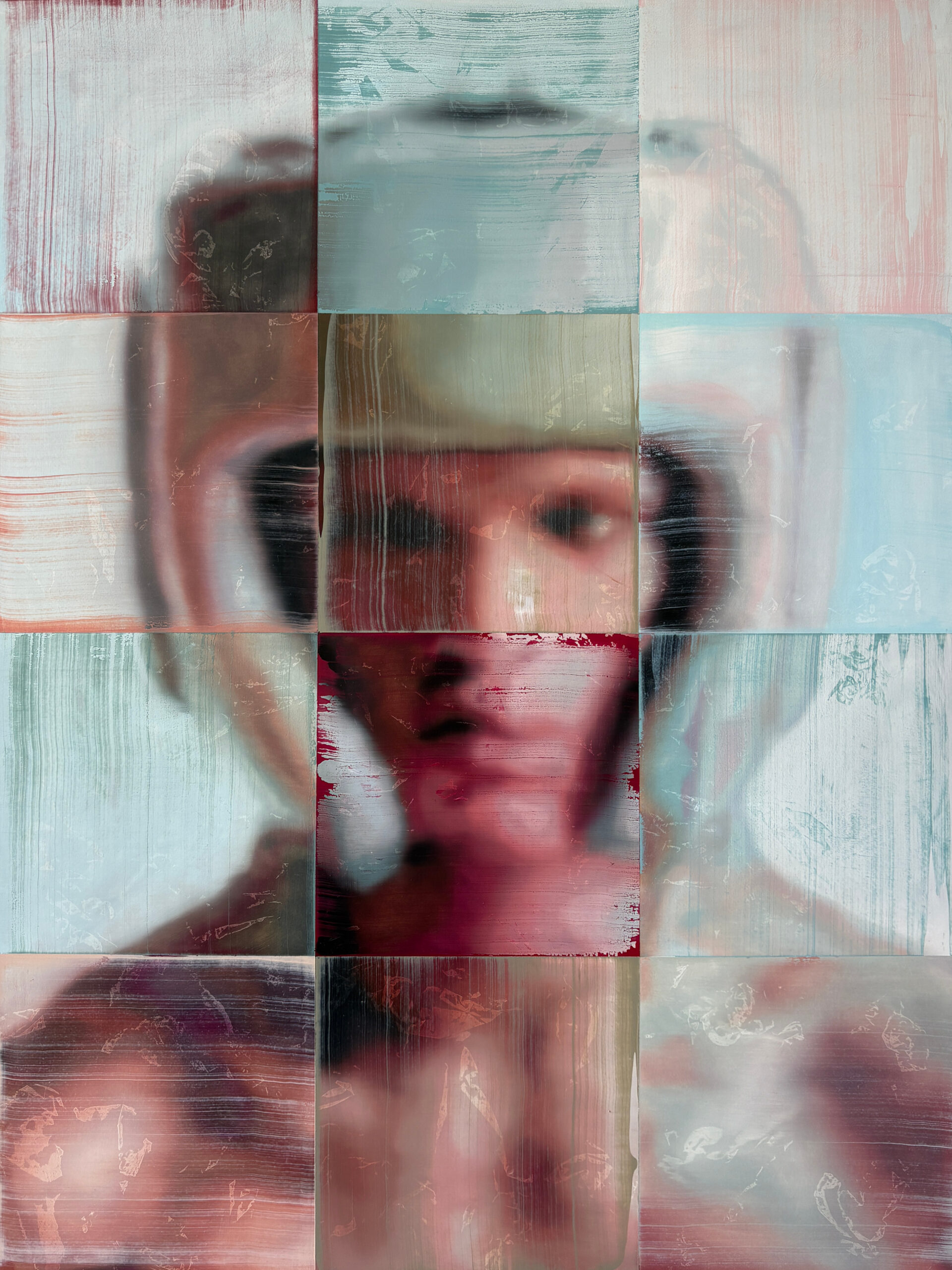
Untitled, 2026
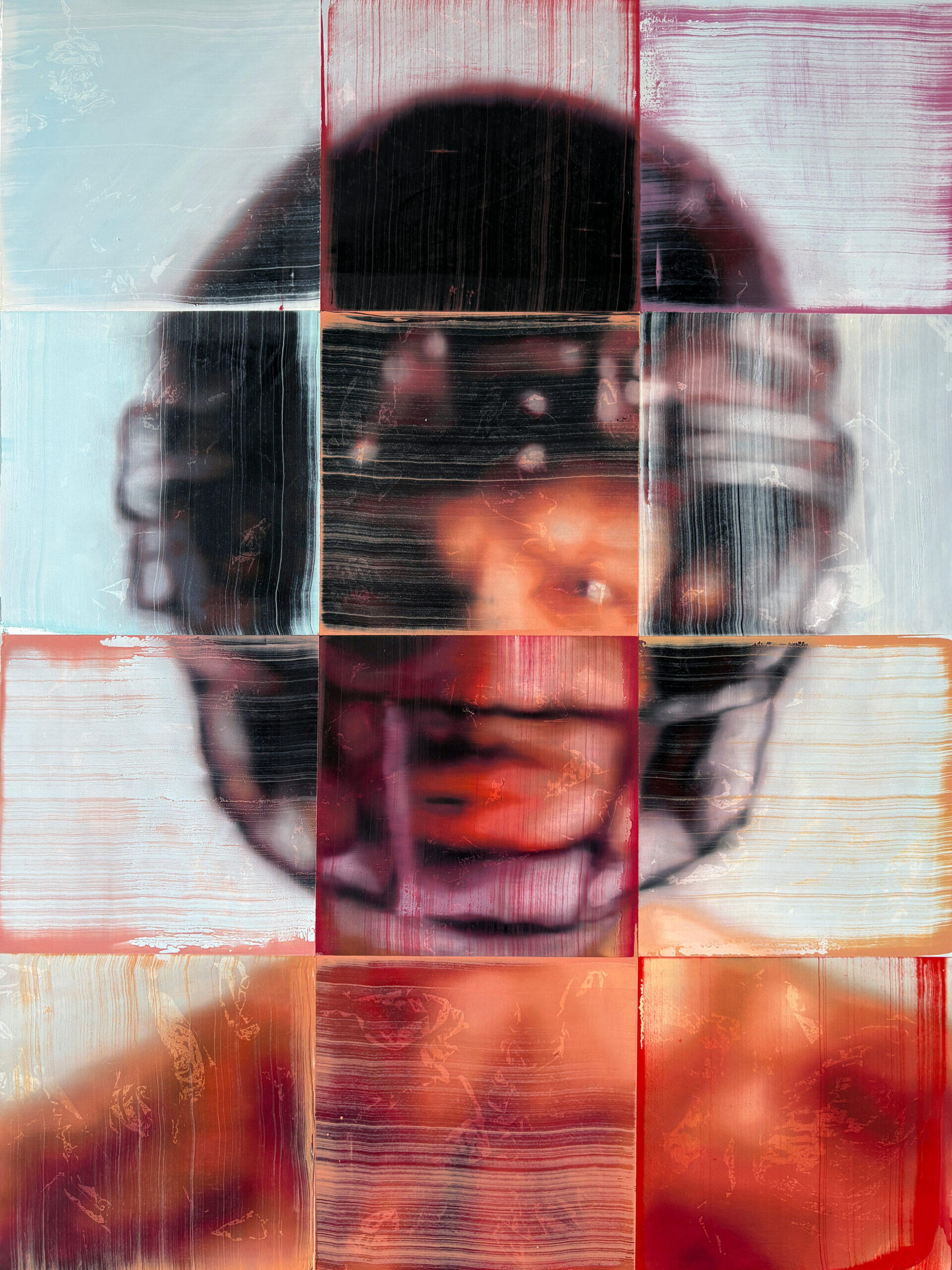
Untitled, 2026
Beyond the Strong Male Body
For me, expanding representations of queer masculinity does not mean abandoning the male body, sexuality or desire. It means allowing more to exist alongside them. I want queer art to contain beautiful bodies and insecure bodies. Strength and dependency. Sex and tenderness. Pride and shame. Confidence and uncertainty.
I want masculinity to be allowed to contradict itself.
Because perhaps the most restrictive thing about traditional masculinity is not strength itself, but the demand for consistency: the expectation that strength must always be maintained, vulnerability carefully managed and uncertainty hidden. Queerness has the potential to disrupt that consistency.
Not because queer men are inherently more vulnerable, emotionally open or liberated from masculinity. We aren’t. But queer experience can force us to confront the gap between who we were expected to become and who we actually are. That gap can be painful. It can also create freedom.
Once masculinity is no longer understood as something that has to be constantly proven, perhaps strength can become something other than armour. Perhaps vulnerability no longer has to mean weakness.
And perhaps taking off our protection does not mean becoming defenceless. It can simply mean allowing ourselves to be seen.